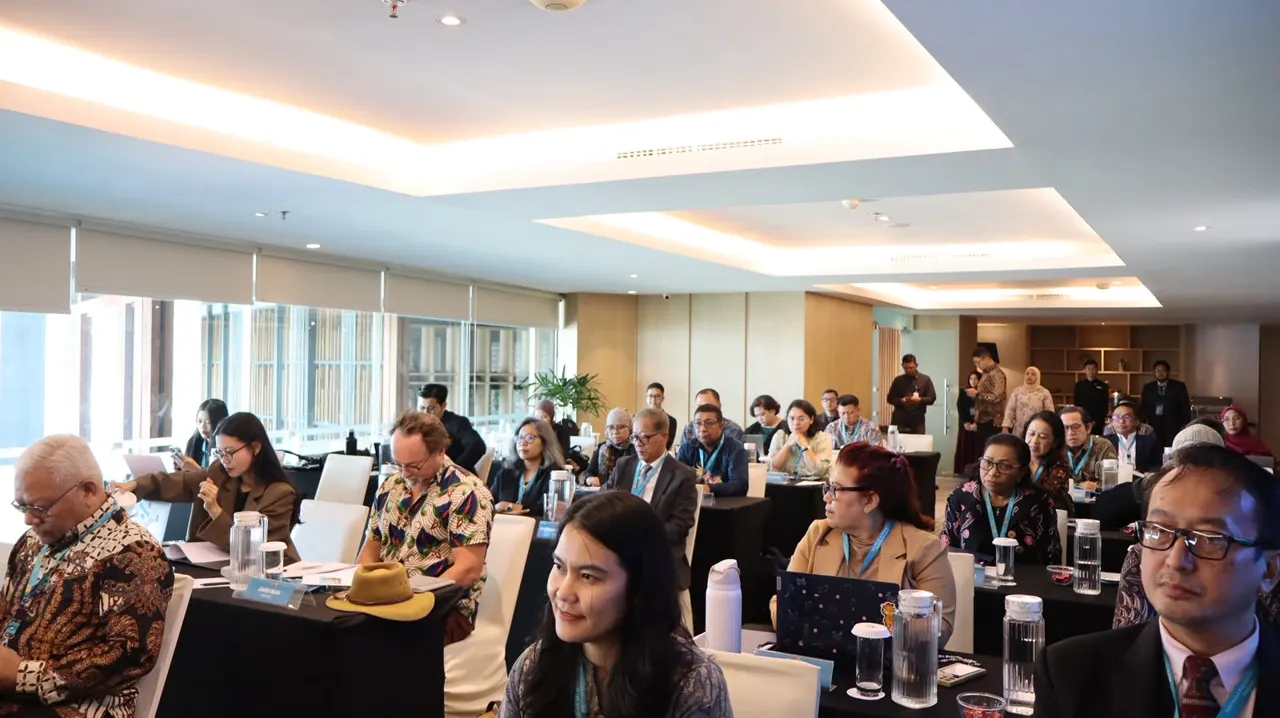
Listening before mediation begins
Understanding whose voices are heard—and whose are missing—is a starting point for meaningful dialogue.
Sample article.
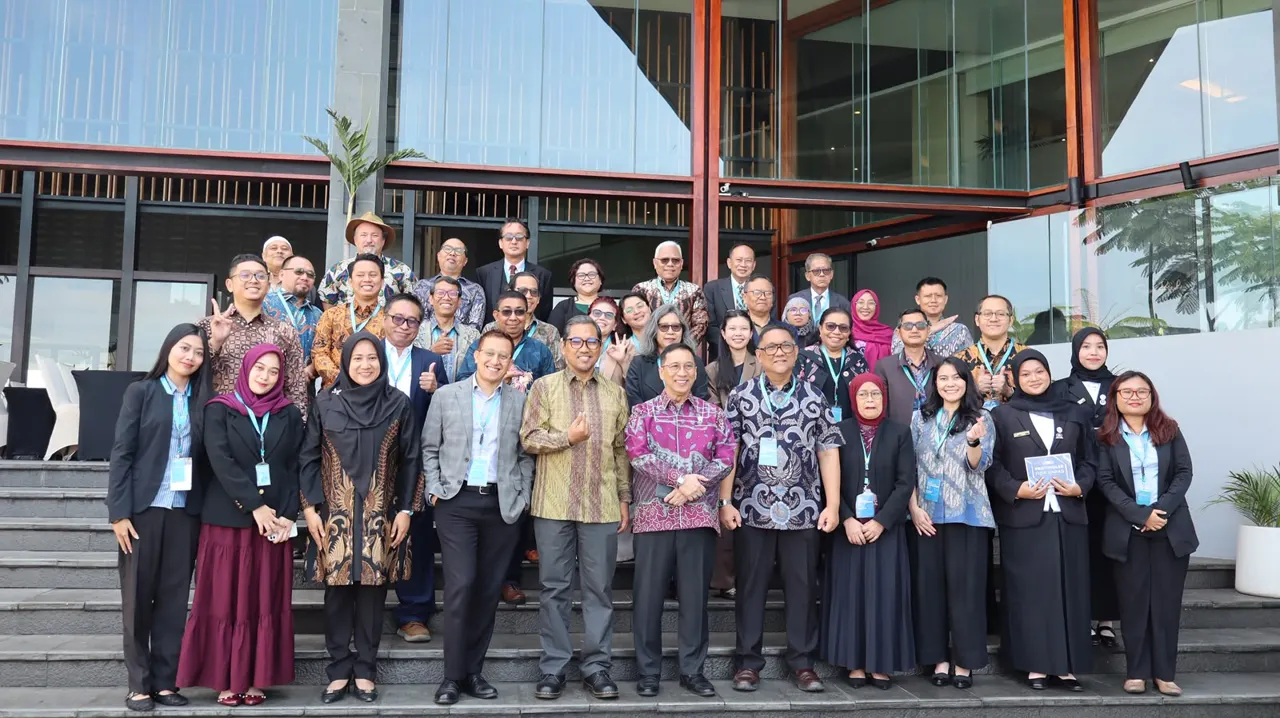
Dialogue begins well before participants sit around a table. It begins with understanding the concerns that people bring, the experiences that shape those concerns and the conditions under which they feel able to speak.
Listening is not simply collecting positions. It requires attention to language, power and the practical barriers that can prevent participation. A process that appears open may still leave important perspectives outside the room.
For a mediator, careful preparation can reveal where expectations differ and where a modest shared agenda might be possible. This does not remove disagreement; it creates a more informed basis for addressing it.
The questions are practical: who should be consulted, how can participation be made safer, and how will participants know that their concerns have been understood? These questions deserve attention throughout a dialogue process.